
Video: Kindness That Carries Over ─ Compassion for Animals as a Path to SEL
From Compassion to Connection: How to Unlock Social-Emotional Learning
For many educators, supporting students’ social-emotional growth can feel challenging, especially when some students seem guarded, resistant, or hard to reach. What if the most effective entry point is also the most natural?
Kids love animals. Start there.
This simple truth is at the heart of TeachKind’s approach to social-emotional learning (SEL), and it’s powerfully illustrated in the following story from Senior Program Manager, Lisbet Chiriboga.
A Classroom Moment That Changed Everything
As a teacher, Lisbet coordinated a project for the entire fifth grade that encouraged students to explore animal-related topics that interested them. Some researched laws that protect animals, while others learned about animal abuse or investigated puppy mills.
One day, they watched a video showing dogs being rescued from a puppy mill. Law enforcement had to use bolt cutters to free the animals because the cages were rusted shut—a stark reminder of the suffering those dogs had endured. The video was powerful. But what happened next was even more important.
When one student teased another for crying, Lisbet paused and said something simple yet transformative:
“It’s OK to cry. It just means you care and that you’re compassionate.”
In that second, something shifted. Hands shot up.
🤚🏽 “I cried too.”
🤚🏽 “Yeah, that made me really sad.”
What had been a moment of discomfort became a moment of connection. Students weren’t just reacting to a video; they were expressing empathy, recognizing their emotions, and realizing they weren’t alone.
Why Compassion for Animals Is a Natural Pathway to SEL
Like all education, SEL is most effective when students genuinely care about the subject matter, and children naturally care about animals. They worry about animals who are hurt. They celebrate animals who are rescued. They ask questions when they see unfairness. And most importantly, they want to help.
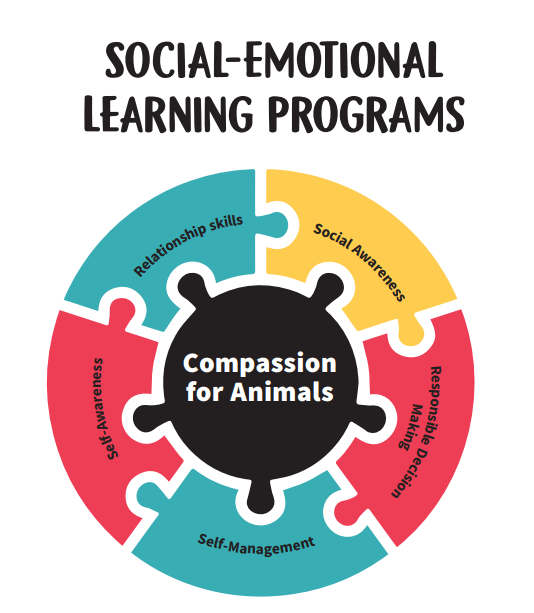
When students explore other animals’ experiences, they develop essential SEL skills, including:
✅ Self-awareness by recognizing and naming their own emotional responses
✅ Relationship skills by working collaboratively and listening to and respecting others’ perspectives
✅ Responsible decision-making by making reasoned judgments and evaluating the consequences of their own actions
✅ Social awareness by understanding how individual actions affect others
✅ Self-management by learning to regulate and express emotions appropriately
When students learn about another animal’s experience, they often instinctively ask questions like “Why did this happen?” “How did they feel?” and “What can I do to help?”
These questions aren’t just academic; they’re emotional. This emotional connection fuels learning, and suddenly, even students who may have seemed disengaged lean in and participate.
Some children have learned to hide their feelings, and some appear tough on the outside. Others struggle to connect with traditional SEL activities. Yet time and again, educators discover that conversations about animals can open doors. As Lisbet explains:
We’ve seen so many lightbulb moments because of this story.
Lisbet Chiriboga
Those light bulb moments often happen when educators hear stories like this and realize why animal-focused learning is so effective. It simply makes sense: when students connect with another living being’s experience, empathy comes naturally, and meaningful conversations follow.
That’s because caring creates curiosity. When students care, they want to know more. They ask questions, seek solutions, and become invested in learning. That’s where meaningful education begins.
By integrating kindness toward animals into everyday learning, educators can create powerful opportunities for students to develop empathy, build stronger relationships, discover that their feelings matter, and feel empowered to make a difference.
A Catalyst for Lifelong Learning
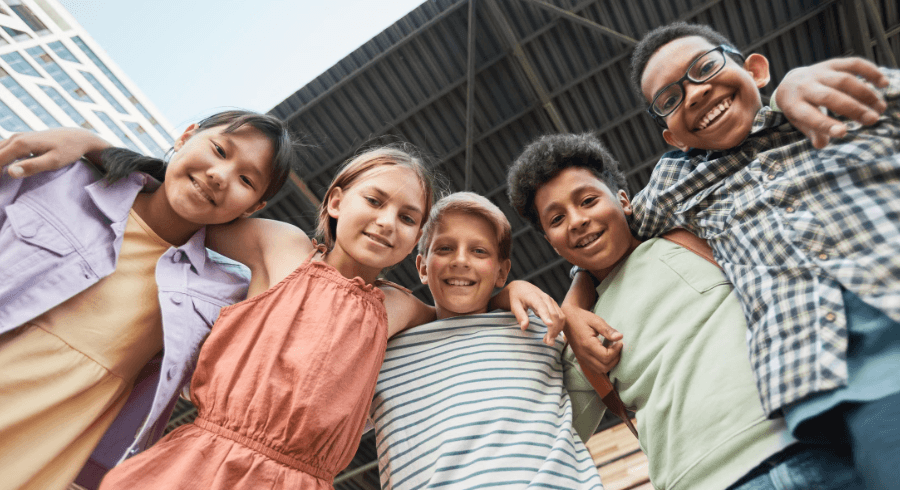
When we intentionally incorporate compassion for animals into our work, we’re not adding “one more thing” to the curriculum; we’re unlocking something deeper. We’re creating classrooms where:
- Students feel safe expressing emotions
- Empathy becomes a shared experience
- Learning is driven by genuine curiosity
- Every child—no matter how guarded—finds a way to connect
Bring It to Life in Your Classroom
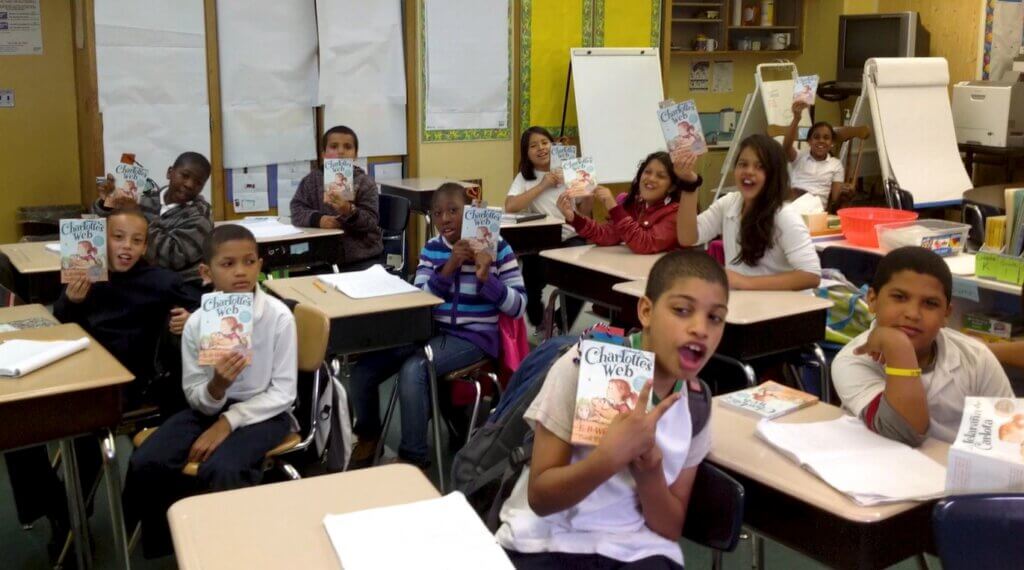
In classrooms across the country, we’ve seen students become more thoughtful, more engaged, and more motivated to make positive choices when compassion for animals is woven into everyday learning.
That’s why humane education is more than an enrichment activity ─ it’s social-emotional learning in action. Explore the resources below to get started.
Play Our Social-Emotional Learning Kahoot!
Explore TeachKind’s free Social-Emotional Learning Kahoot, designed specifically for educators. This interactive professional development resource examines how SEL and compassion for animals naturally complement one another and offers practical strategies for fostering empathy, kindness, perspective-taking, and inclusion in the classroom. You’ll gain fresh ideas for nurturing emotional intelligence and humane values, helping students grow into thoughtful, compassionate individuals.
Discover Additional Social-Emotional Learning Resources
Our SEL collection features a variety of ready-to-use activities and classroom resources to help students strengthen empathy, compassion, and responsible decision-making through real-world connections with other animals.
From Engagement to Action
Humane education doesn’t ask students to memorize compassion; it invites them to experience it. When students learn about animals facing challenges, they naturally begin to examine broader concepts like kindness, fairness, responsibility, and respect. They begin to see connections between how others should be treated, recognize that empathy isn’t limited to one group, and see themselves as part of the solution.
This is the ultimate goal of SEL: not just understanding emotions but using that understanding to make a positive impact on the world we share.
Kids love animals. Start there.
You can see meaningful learning gains when compassion for animals is woven into academic lessons! Explore TeachKind ELA and other resources to bring these connections to life in your classroom.