
Entertainment
Animals aren’t props or performers, and most kids would be shocked to learn what really happens behind the scenes at places that use animals for entertainment. From roadside zoos to marine parks, we help students spot red flags and ask the tough questions like, “Where do all the baby tigers at the roadside zoo go when they grow up?” (Hint: not a magical sanctuary.) We support students to connect the dots between animal exploitation and “family fun” activities—and offer exciting, humane alternatives that no tank or cage can match.

Debate Kit: Should Marine Mammals Be Held in Amusement Parks?
Free Debate Kit: Exploring the Use of Marine Mammals for Entertainment A hot topic in classrooms and among the public …
Explore

Advocating for an End to the Iditarod With Elementary Students
Use the following clips from Sled Dogs to initiate discussions about the Iditarod with your students.

Free 2026 ‘Rescued!’ Desktop Wallpaper Calendars
Make your laptop, tablet, or phone a source of year-long inspiration with our free calendar wallpapers.

Facing Opposition: Support for Teachers
Not all teachers feel free to teach animal rights or change inhumane practices. These tips will help you find your voice in the face of adversity.

National Poetry Month: A Literary Celebration for Animals
Poetry can inspire deep emotional responses in students. Teach them to use this genre to express their compassion and to discover and develop their voice for animals.
What’s New

Free resources. Fresh ideas. More kindness.
Join the TeachKind email list for free, ready-to-use lessons, activities, printables, games, and inspiration for educators working with learners of …
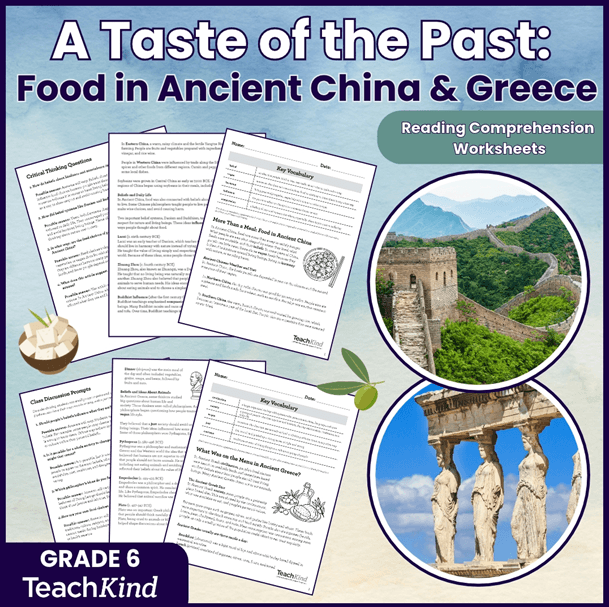
A Taste of the Past: Teaching Ancient History Through Food & Compassion
Explore free, standards-aligned reading comprehension resources that introduce students to the food, philosophies, and cultural traditions of Ancient China and Ancient Greece—while building literacy skills, critical thinking, and compassion for animals.
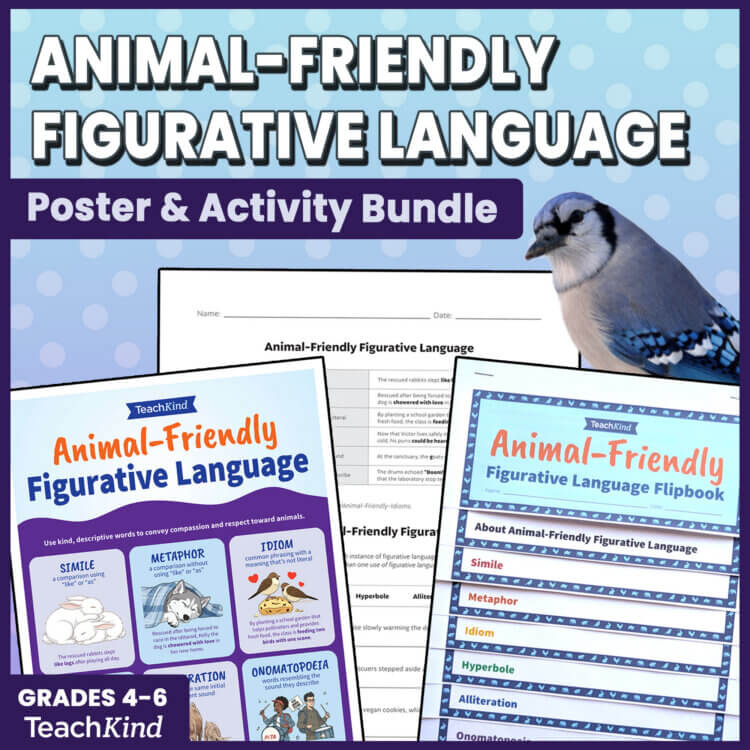
Make Figurative Language Meaningful and Engaging with Animal-Friendly Writing
Have fun with figurative language! These resources help students identify, interpret, and create similes, metaphors, idioms, hyperbole, alliteration, and onomatopoeia while understanding that animals have feelings, too.