
Food
From kindergarten through high school, we help students see animals as individuals—not ingredients. In grades K–2, we focus on their needs and personalities (because once you know a chicken loves dust baths, you know that life in a cage is cruel). By grades 3–5, we start exploring real-world issues and human impact, and in grades 6–12, we spark critical thinking about society’s treatment of animals—helping students connect the dots and discover how they can make a difference.
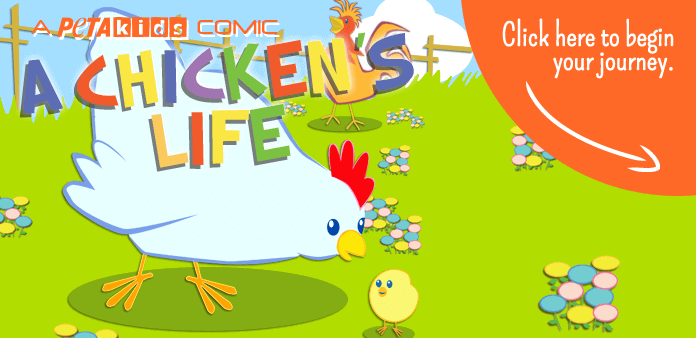
A Chicken’s Life
This lesson is designed to help teachers present animal rights issues to their students. If you’re an educator, please feel …
Explore
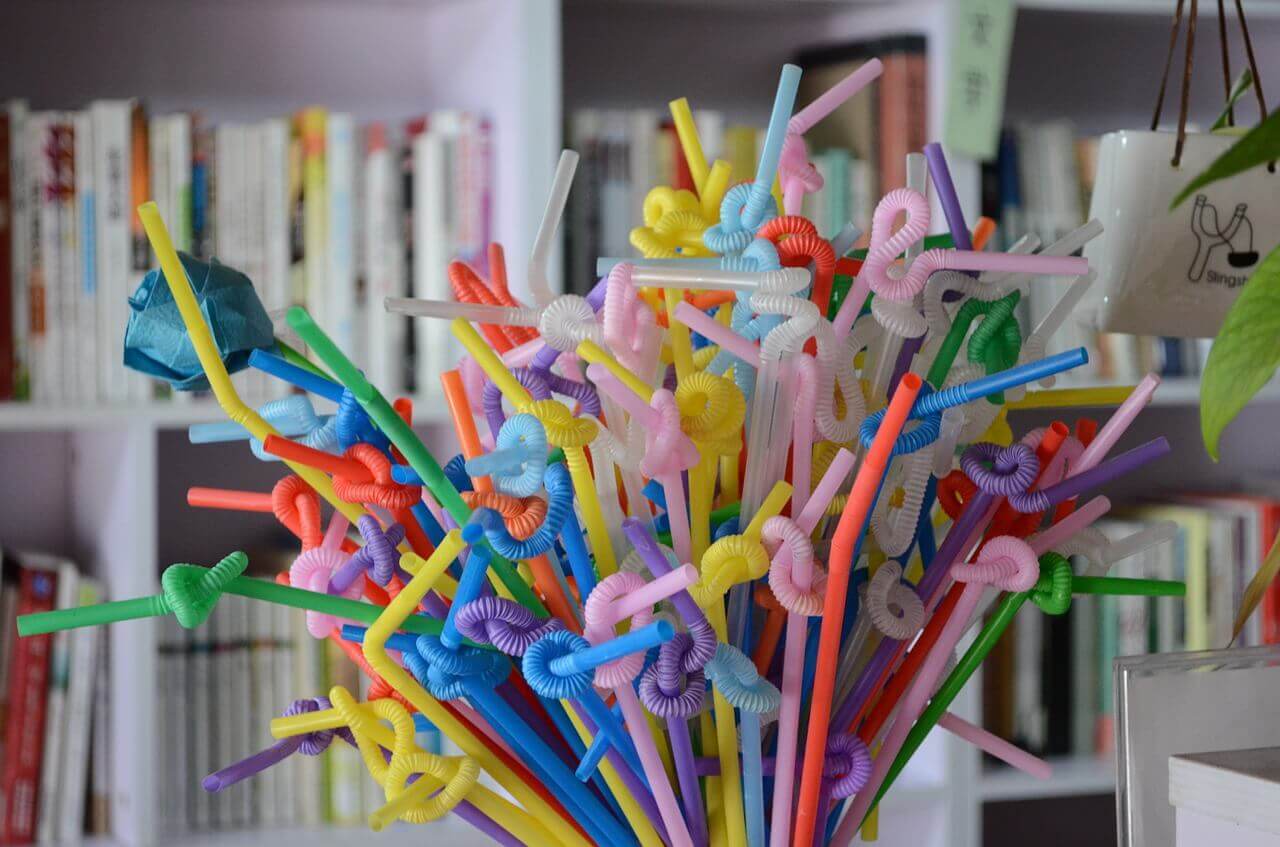
Replacing Straws in the Classroom
Teach students about plastic straw litter and what can be done about it.
6 Ways for Summer School Teachers to Make a Difference
With these tips, you can make the summer as life-changing for your students as the rest of the year.
Lecciones y recursos de español — TeachKind
Una colección de recursos de TeachKind en español.

DIY: Make Vegan Ice Cream with Your Students
Set aside some time to make vegan ice cream with your students in the classroom.
What’s New
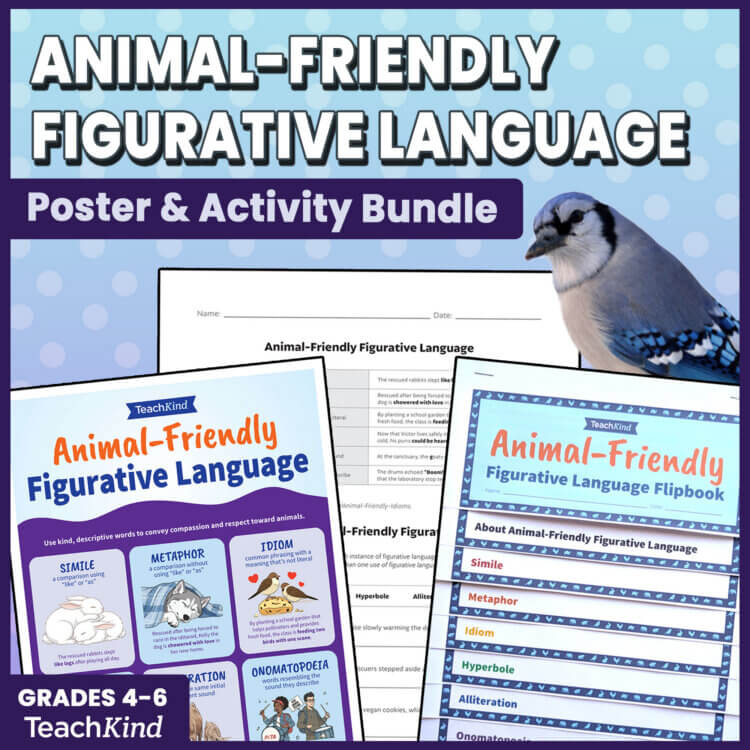
Make Figurative Language Meaningful and Engaging with Animal-Friendly Writing
Have fun with figurative language! These resources help students identify, interpret, and create similes, metaphors, idioms, hyperbole, alliteration, and onomatopoeia.

Literacy Engagement Toolkits for Elementary and Secondary Teachers
Explore flexible, ready-to-use K-12 resources that build reading, writing, critical thinking, and communication skills through engaging, animal-centered lessons.
Meet the Kind Piglet
A Compassionate Solution to Pig Dissection Benefits Perfect for: Teach Kind Science with the Kind Piglet Animal-free dissection—like the Kind Piglet—improves learning by eliminating …