
Birdwatchers to Changemakers: Elementary School Named Guardians of the Eagles
What happens when students are given the chance to connect with animals in a meaningful, authentic way? At John Baldwin Elementary School in Danville, California, that opportunity began with a single click.
What started as a simple classroom activity, watching a live nest camera feed of Big Bear Valley’s beloved bald eagle pair, Jackie and Shadow, quickly became an extraordinary student-led movement that captured hearts across the community and beyond.
On June 1, 2026, TeachKind was honored to present John Baldwin Elementary School with a Guardians of the Eagles Award in recognition of the remarkable efforts by students and teachers to help protect the habitat of Jackie, Shadow, their eaglets, and other animals who depend on the local ecosystem. Along with the recognition, the entire John Baldwin community enjoyed vegan ice cream bars, celebrating not just their achievements for animals, but also the compassion that motivated them.
From Observation to Engagement
Teachers know that engagement is one of the most valuable (and sometimes elusive) elements of learning. Children are naturally curious, but when they feel personally connected to a topic—and see that their actions can make a difference—curiosity can blossom into deeper learning.
As in many classrooms across the country, students at John Baldwin Elementary eagerly followed Jackie and Shadow’s nesting journey through the live eagle camera. But instead of stopping at observing the eagles and learning fascinating facts, their teachers introduced students to the real challenges the birds face and invited them to explore how humans can help protect wildlife.
That shift transformed the experience. When students learned that building development projects could threaten the habitat Jackie and Shadow call home, they didn’t feel powerless; they wanted to help. Recognizing her students’ growing passion, one teacher set aside the persuasive writing lesson she had originally planned and invited students to write authentic advocacy letters on behalf of the eagles instead.
Even this experienced educator was surprised by the results. Students who usually didn’t participate became highly engaged in the project, leading to flourishing collaboration and a classroom filled with meaningful discussions, creativity, and a sense of purpose. What started as curiosity about a livestream transformed into a meaningful lesson in empathy, civic engagement, and students’ potential to use their voices for positive change.
Making Learning Personal
Together, they raised awareness and collected donations to support efforts to preserve the habitat that Jackie, Shadow, their eaglets, and many other animals call Big Bear Valley home.
The students organized bake sales, lemonade stands, plant-watering services, awareness campaigns, and even created handmade origami eagles to raise funds and support their efforts. Their enthusiasm extended far beyond the school day, inspiring conversations at home and throughout the community.
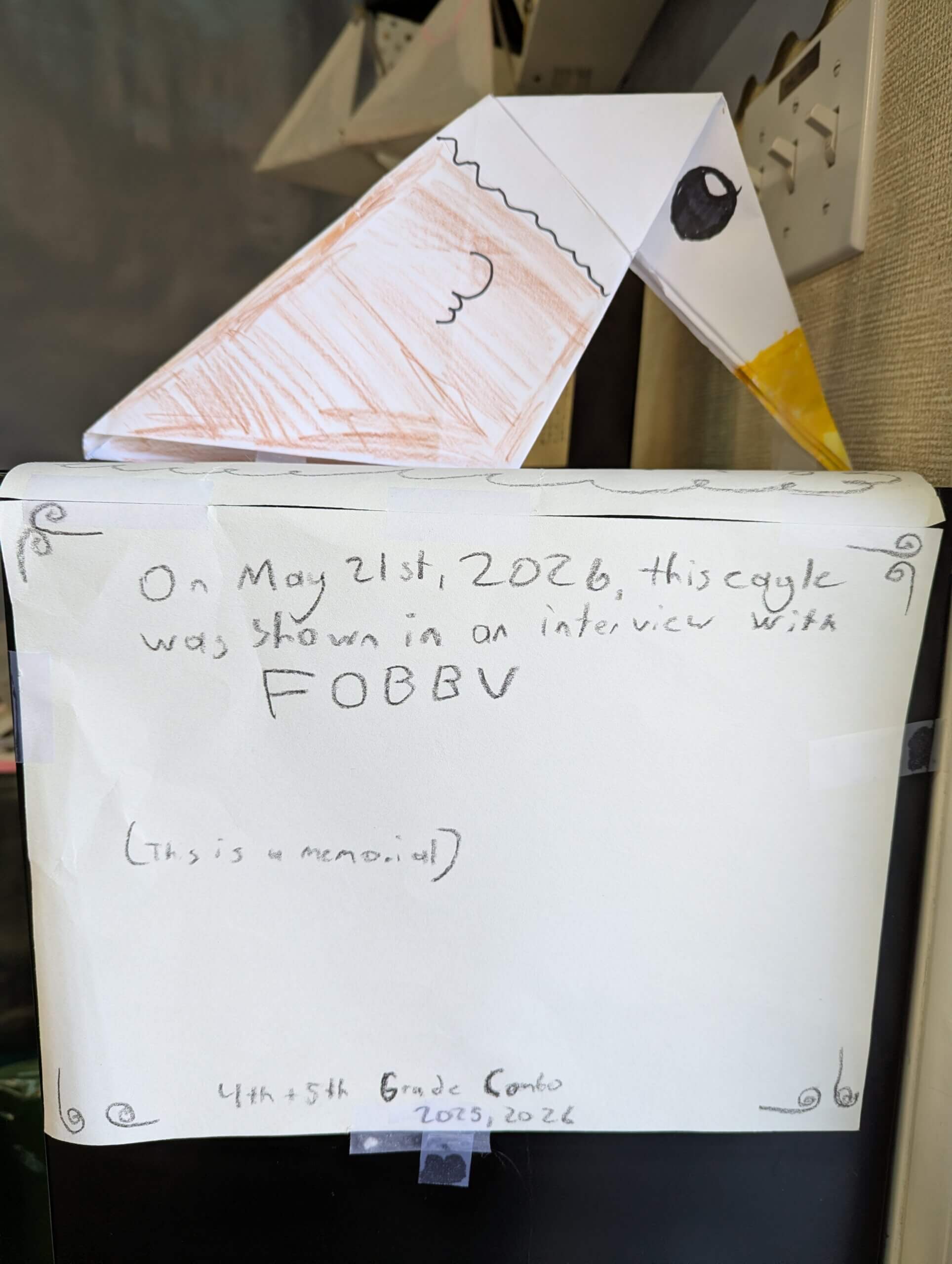
This wasn’t an assignment where students were just working for a grade; it was authentic, student-driven learning fueled by empathy, and that’s exactly why it worked.
This level of engagement is what teachers dream of.
Their efforts show what educators witness time and again: when students care about a subject, they naturally want to know more. They seek answers and ask deeper questions. They conduct research, collaborate, become invested in finding solutions, and want to share what they’ve discovered. In other words, they become active participants in their own learning.
Small Size, Big Impact
Perhaps no statement captures the power of this project better than the words of one John Baldwin Elementary student:
I learned that I am small, but my voice can be very loud.
– John Baldwin Elementary School Student
That simple reflection reveals a profound truth. The greatest outcome wasn’t the money raised or the media attention the project received; it was students beginning to see themselves as capable changemakers.
They learned that their actions matter, that caring about others can lead to meaningful action, and that everyone, no matter their age, can make a difference.
These lessons help students develop empathy, confidence, leadership skills, critical thinking abilities, and a sense of civic responsibility that will serve them throughout their lives.
A Front-Row Seat to the World’s Greatest Classroom
One of the most inspiring aspects of this story is how accessible the experience was. There was no expensive field trip to plan, no buses to reserve, no chaperones to coordinate, and no permission slips to collect.
Best of all, the project wasn’t an add-on—it was woven directly into existing academic lessons, enriching core learning objectives while giving students an authentic opportunity to apply their reading, writing, research, critical-thinking, and collaboration skills in ways that felt meaningful and relevant.
Beyond the ease, observing wildlife through live cameras offers something deeper than any one-time excursion to see animals in cages. Students can witness authentic animal behaviors unfold over time, develop ongoing relationships with the animals they follow, and gain a richer understanding of ecosystems, conservation, and interconnectedness.
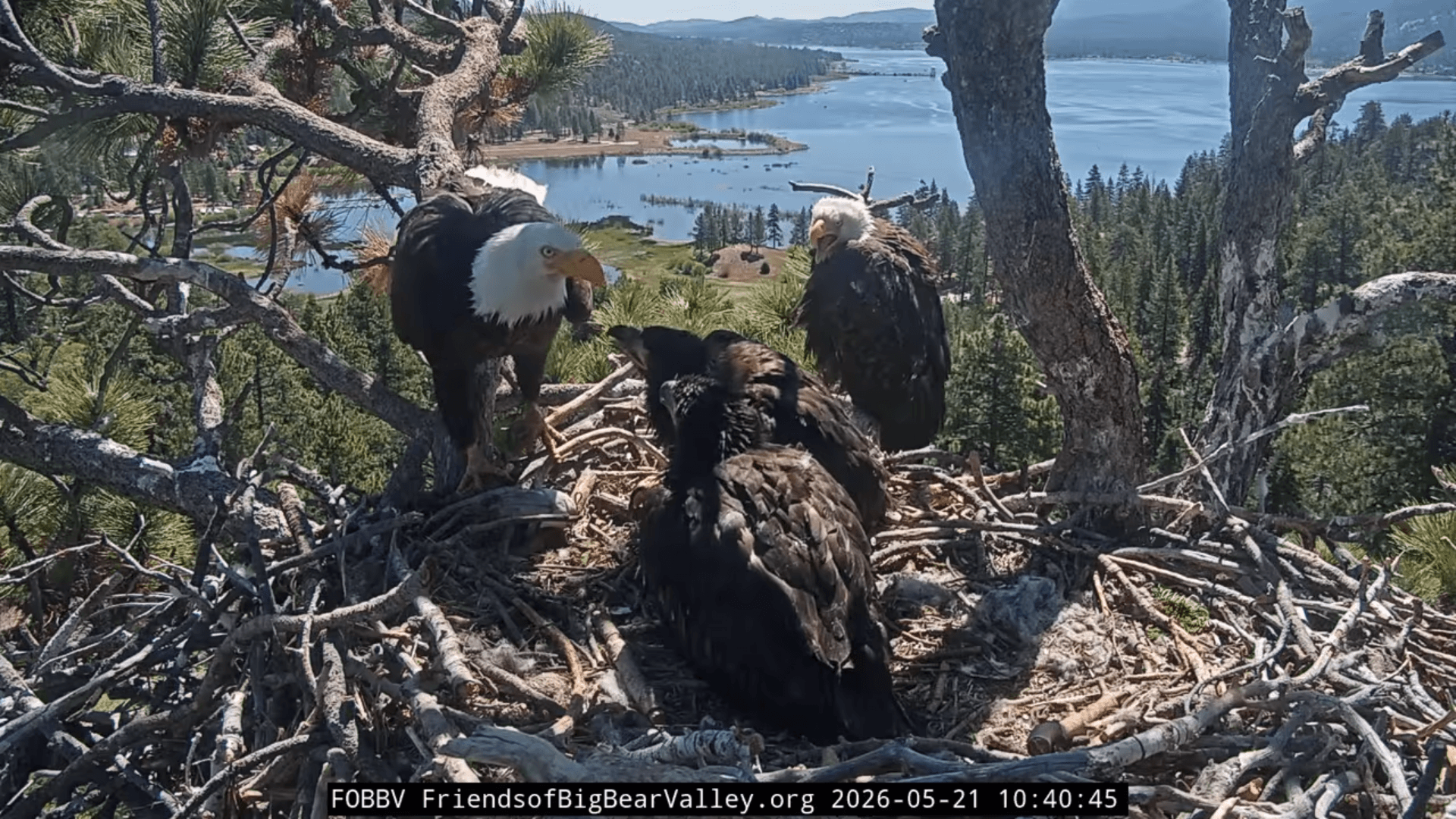
The live nest cam featuring Jackie and Shadow became a daily source of wonder, inquiry, and discussion. It also demonstrated how technology can bring the natural world directly into classrooms, making meaningful learning experiences accessible to virtually every educator.
Bringing This Engagement to Your Learning Space
Teachers Sara Stinson and Nancy McCaul recognized the educational potential of a simple live wildlife camera and transformed it into powerful lessons in compassion, advocacy, and civic engagement—without missing a beat in their science and persuasive writing units. Their students demonstrated what can happen when educators follow students’ curiosity and connect it to existing academic goals, proving that any teacher can foster deeper engagement and meaningful action without sacrificing expected learning outcomes.
The best part is that you can inspire similar results in your classroom, too!
If you’re looking for an easy, free, and highly engaging way to spark curiosity, consider viewing wildlife livestreams with your students.
The next generation of advocates, compassionate leaders, and engaged learners could be a mere click away.
Sometimes, just a camera, a computer, and a willing teacher can help students discover that even small voices can make a world of difference.