
TeachKind Rescue Stories: Hotel Ends Fish-Rental Program
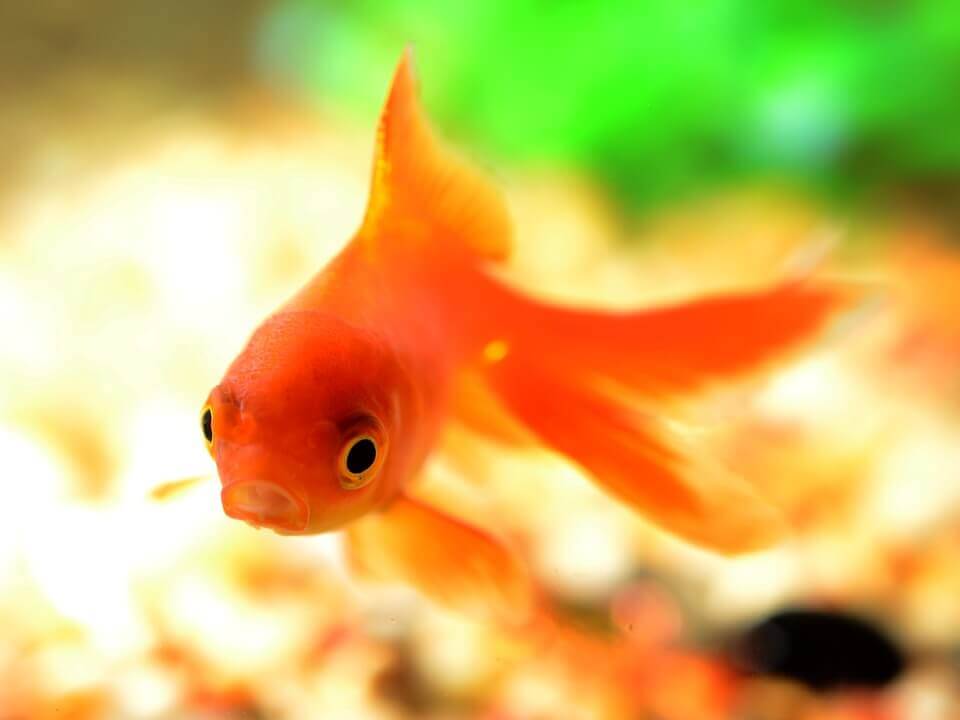
Essential Question: How can understanding fish inspire individuals and institutions to treat them with respect?
Stories of humans helping other animals are all over the internet, and sharing them with your students is an excellent way to encourage kindness both in and out of the classroom. Because most students naturally feel compassion for animals, sharing rescue stories is a great way to engage and motivate diverse learners and encourage them to take action to help end animal abuse.
This rescue story is about fish who were once used in a rental program at Kimpton Hotels. After talks with PETA, the hotel chain agreed to find new homes for more than 200 fish and end the program.
The downloadable worksheet that accompanies the passage guides students through vocabulary, literal comprehension, and higher-order questions that align with Common Core standards for grades 9–12, making it easy to integrate into a single class period or a short unit. Use the story as the anchor text for activities such as evidence-based writing tasks, structured debates about animal use in hospitality, or interdisciplinary projects that combine science (fish care and behavior) with social studies (corporate responsibility and advocacy).
CCSS.ELA-LITERACY.RI.9-10.1
Cite strong and thorough textual evidence to support analysis of what the text says explicitly as well as inferences drawn from the text.
CCSS.ELA-LITERACY.RI.9-10.1
Cite strong and thorough textual evidence to support analysis of what the text says explicitly as well as inferences drawn from the text.
📰 Extend the Learning: Fish Sentience in the News
What happens when people recognize that fish are capable of experiencing the world around them?
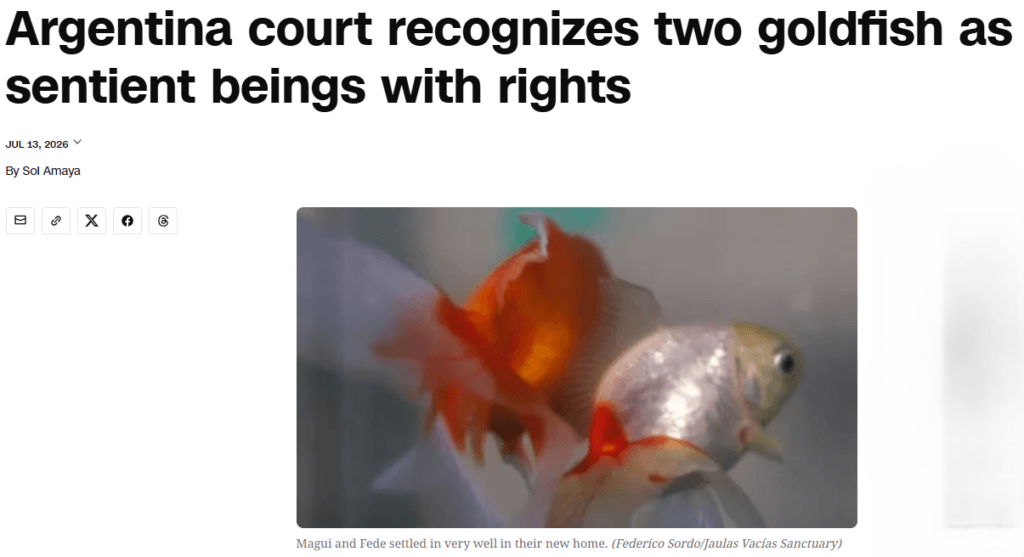
In 2026, an Argentine court recognized two goldfish as sentient beings with rights and ordered that they be moved from a small display tank at a Buenos Aires sushi restaurant to a much larger home aquarium. Read the CNN report and compare this case with the fish-rental program described in the rescue story. What do both stories reveal about how our understanding of animals can influence the way we treat them?
✅ Sentient: having the ability to feel and experience things, such as pain, comfort, or fear
Reading Response Questions
After reading the rescue story and news article, have students respond to the following questions independently or in pairs or small groups:
- What evidence does the article provide that the goldfish were capable of experiencing their surroundings?
- Why did the court consider the fish’s living conditions unacceptable?
- How does the Argentina case compare with the fish-rental program described in the rescue story? How are the two texts different?
- What does it mean to describe an animal as sentient?
- What role did human advocates play in changing the circumstances of the animals in each story?
Each TeachKind Rescue Story tells a different animal’s tale of transformation and features key vocabulary words and questions in order to encourage literal, inferential, and evaluative thinking.
These worksheets were used in a study that found that students who read passages about having compassion for animals performed significantly better on Common Core–aligned assessments, demonstrating that instructional time need not be sacrificed in order to instill empathy in young people! Learn more.