
Using Animal-Themed Mini-Books to Build Word Recognition and Fluency
Small Books, Big Reading Growth
Looking for a simple way to strengthen word recognition and reading fluency while keeping students engaged? TeachKind’s animal-themed mini-books give young readers meaningful opportunities to practice decoding, reread familiar text, and build confidence with high-frequency words and repeated sentence patterns. As students learn fascinating facts about animals, they also develop the foundational literacy skills they need to become successful readers.
With short, accessible sentences, predictable text structures, and engaging illustrations, these mini-books naturally encourage repeated reading—a key ingredient in building fluent readers. Keep reading to discover practical ways to use them during whole-group lessons, small-group instruction, literacy centers, and independent reading to support fluency, vocabulary development, and comprehension.

Why Mini-Books Support Reading Development
Beginning readers need repeated opportunities to encounter words in meaningful contexts. These mini-books expose students to high-frequency words and simple sentence structures while presenting engaging nonfiction content about animals.
Students repeatedly encounter phrases such as:
- “Chickens like…”
- “Pigs like…”
- “They can…”
- “They like…”
This repetition helps students recognize words more automatically, allowing them to focus more attention on understanding what they read.
Build Word Recognition Before Reading
Before students begin reading, introduce several key words from the text.
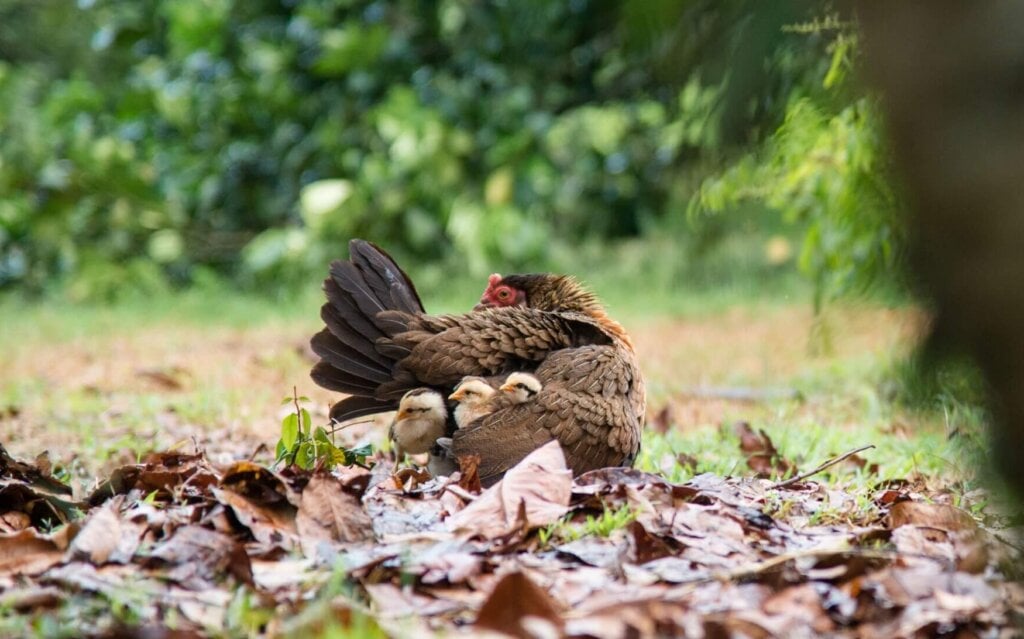
🐔 Chicken Book Vocabulary
- chicken
- hen
- chick
- roosting
- fly
- play
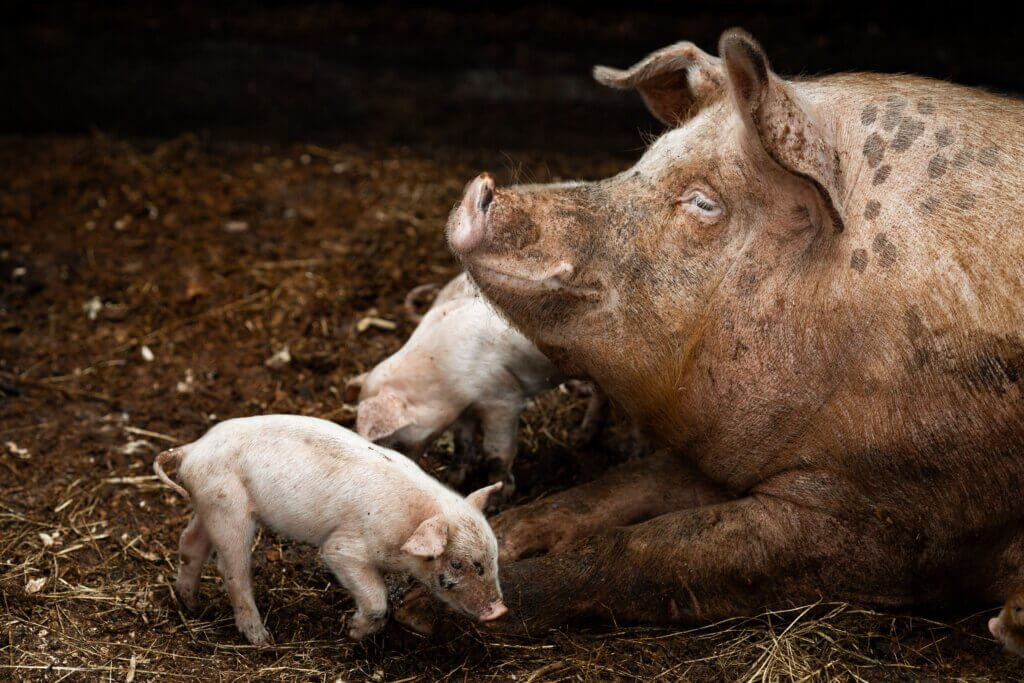
🐷 Pig Book Vocabulary
- pig
- piglet
- snout
- rooting
- mud
- wallowing
Invite students to:
- Hunt for the words in the text.
- Practice reading them in isolation.
- Use the words in oral sentences.
- Match words to illustrations.
Previewing vocabulary builds confidence and supports automatic word recognition.
Use Repeated Reading to Build Fluency
Research consistently shows that repeated reading improves accuracy, rate, and expression. Because these mini-books are short and engaging, they are ideal for multiple readings.
Try this progression:
First Read: Read together as a class.
Second Read: Echo read page by page.
Third Read: Partner read.
Fourth Read: Independent reading.
Each rereading helps students recognize more words automatically and read with greater accuracy, expression, and confidence.
Encourage Phrase Reading
Help students move beyond word-by-word reading by modeling how to group words into meaningful phrases.
For example:
Chickens can fly / up into trees / to sleep at night.
Reading in phrases supports both fluency and comprehension by helping students focus on meaning as they read.

Use Illustrations to Support Language Development
The illustrations provide valuable opportunities for discussion, prediction, and vocabulary growth.
Ask students:
- What do you notice in this picture?
- What do you think this page will teach us?
- Which words from the text match what you see?
Connecting visuals to text strengthens comprehension and oral language skills.
Focus on High-Frequency Words
As students read, draw attention to commonly occurring words such as:
- the
- and
- can
- like
- they
- to
Encourage students to:
- Highlight the words.
- Keep a word notebook.
- Practice reading them automatically.
- Locate them on multiple pages.
Repeated exposure helps build reading automaticity and confidence.

Add Choral Reading and Reader’s Theater
Transform the mini-books into engaging performance activities.
Students can:
- Read pages chorally.
- Take turns reading sections.
- Perform favorite pages for classmates.
- Read with expression when discussing animal behaviors.
Reading for an audience motivates students to reread text while strengthening fluency and expression.

Reinforce Comprehension Alongside Fluency
Strong readers need both fluency and comprehension. Because the mini-books include high-interest nonfiction facts, they naturally invite meaningful discussions after reading.
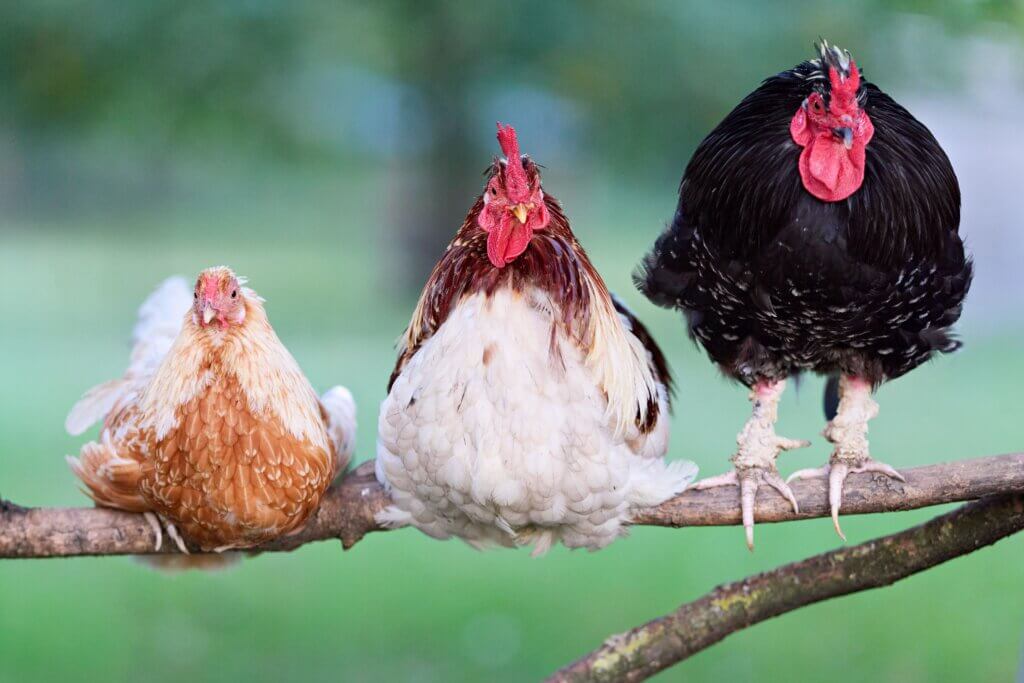
🐔 Questions for the Chicken Book
- Why do chickens roost in trees?
- How do hens protect their chicks?
- What surprised you most about chickens?
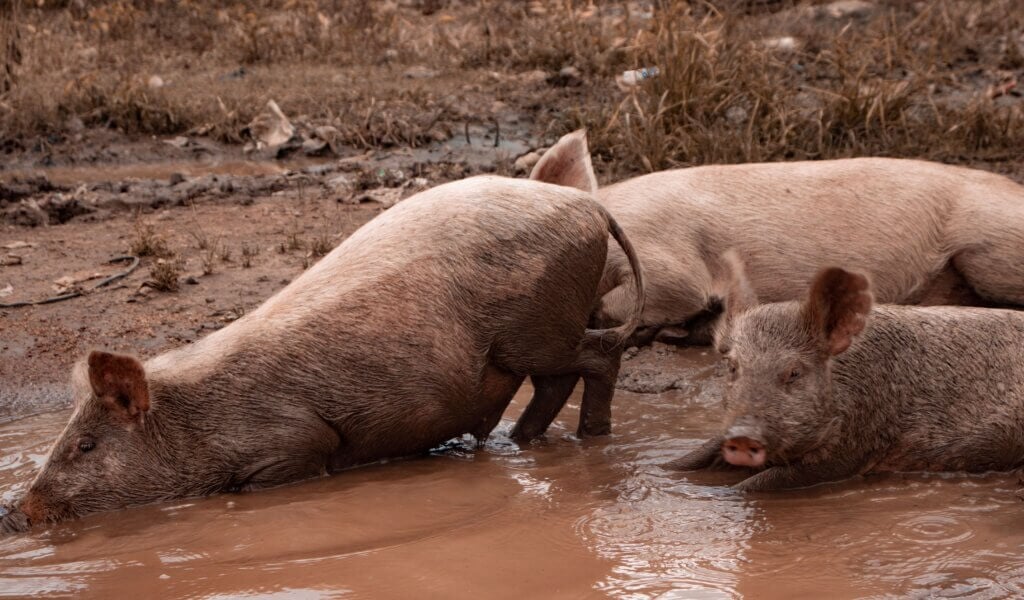
🐷 Questions for the Pig Book
- Why do pigs roll in mud?
- What is rooting?
- What surprised you most about pigs?
These conversations help students connect literacy skills with content learning while deepening comprehension.
The Takeaway for Teachers
Animal-themed mini-books provide meaningful opportunities for young readers to practice decoding, strengthen word recognition, and build fluency through repeated, engaging reading experiences. As students revisit these texts, they become more confident readers while learning about the intelligence, family bonds, and unique behaviors of animals.
Best of all, these mini-books give children a reason to reread—a key ingredient in developing fluent readers. By combining foundational literacy instruction with fascinating animal facts, teachers can help students build stronger reading skills while fostering curiosity, empathy, and compassion for animals.

Want to stay in the loop on literacy resources? Please fill out the form below to subscribe to TeachKind e-mails and receive updates on our latest offerings.
By submitting this form, you’re acknowledging that you have read and agree to our privacy policy and agree to receive emails from us.