
Who Am I? More Than a Guessing Game: Using Animal Riddles to Teach Phonics
Why Animal Riddles Belong in Your Phonics Block
What if your phonics lessons could build literacy skills, spark curiosity, and boost student participation all at once? Animal-themed riddles offer a fun, effective way for young learners to practice beginning sounds, rhyming, phonemic awareness, fluency, and comprehension while learning fascinating facts about animals.
By turning phonics practice into a guessing game, these short, engaging poems encourage students to listen closely, think critically, and make connections between sounds, words, and meaning. Best of all, they help students build foundational reading skills while developing a deeper appreciation for animals and their unique behaviors.

Meet the Animals!
Get ready to rhyme, guess, and discover! These playful animal riddles invite students to become sound detectives as they practice phonics skills and learn about the fascinating lives of animals.
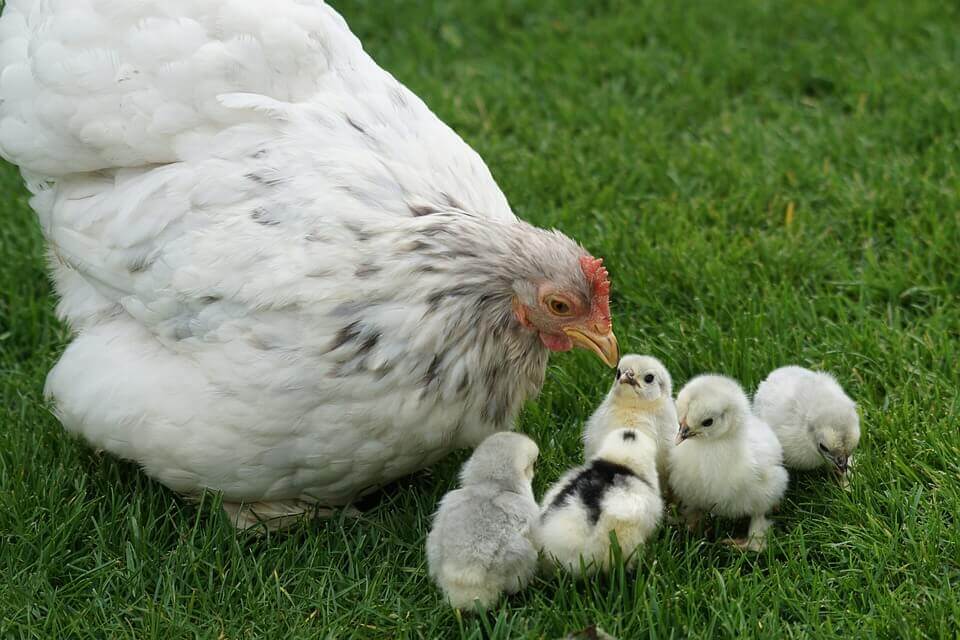
🐔 Hen
Who Am I?
I scratch for seeds on the ground.
I cluck and make a happy sound.
I start with H and rhyme with ten.
I cluck “hello” to my friend Ben.
When rain falls down from the sky,
I spread my wings to keep my chicks dry.
At night, I fly up to roost in a tree.
This keeps me safe—who could I be?
🐷 Pig
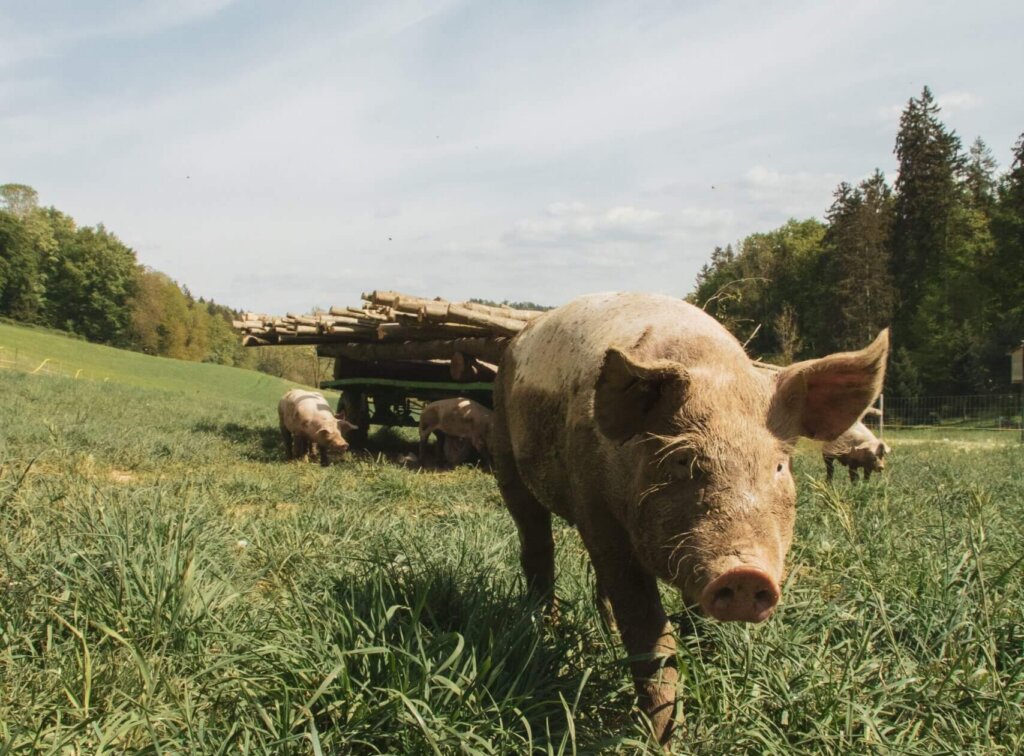
Who Am I?
I like to think, and I like to play.
I love to dig and root all day!
I rhyme with wig and start with p.
I say “oink!” Who could I be?
I can roll a ball with my snout.
I use it to sniff things all about.
I roll in mud on a very hot day.
The mud helps cool me right away.
I am smart, as you can see.
Now, can you guess—who could I be?
Build Knowledge Beyond the Riddle with Animal Videos
Once students have guessed the animal in the riddle, take the learning a step further by showing a short video featuring that animal. Seeing a real pig or chicken in action helps children connect the words they decoded to a living, feeling individual. Videos can spark curiosity, build background knowledge, and help students see animals as unique beings with their own personalities, preferences, and emotions.
For example, after solving the pig riddle, students might watch a video of a rescued piglet joyfully exploring the world or playing with toys. After guessing the chicken riddle, they can learn fascinating facts about chickens or meet a rescued rooster who shows kindness and curiosity. These brief videos help reinforce vocabulary while giving students a memorable visual experience that highlights how intelligent, playful, and remarkable animals can be.
🎥 Suggested Videos
🐔Chicken Videos
- 5 Mind-Blowing Facts About Chickens
- Bree the Rescued Rooster Is on a Mission to Change the World with Kindness!
🐷Pig Videos
Teacher Tip: Before pressing play, ask students, “What do you think this animal likes to do?” or “How do you think this animal feels when they play with friends?” After the video, invite students to share one new thing they learned about the animal and one word that describes them. This simple extension strengthens observation skills, vocabulary development, and empathy while making phonics instruction even more engaging.
Start With a Mystery
Before revealing the animal, read the riddle aloud and invite students to become “sound detectives.”

For example, when reading the pig riddle, students hear:
“I rhyme with wig and start with P.”
Pause and ask:
- What word rhymes with wig?
- Which animal starts with the /p/ sound?
- Which clues helped you solve the riddle?
This simple listening activity encourages students to focus on phonemes while building excitement and anticipation.
Reinforce Beginning Sounds
Once students identify the animal, challenge them to think of more words that begin with the same sound.
🐔 After the hen riddle, students could brainstorm:
- hen
- hop
- hat
- hill
- house
🐷 After the pig riddle, students might generate:
- pig
- play
- penguin
- puddle
- park
Creating sound-based word lists helps reinforce letter-sound correspondence in a meaningful and memorable way.
Strengthen Phonemic Awareness with Rhymes
Animal riddles naturally spotlight rhyming words, making them perfect for phonological awareness practice.
Students can identify:
- ten → hen
- wig → pig
Then extend learning by building rhyming word families.
🐔 Hen word family:
- den
- pen
- ten
🐷Pig word family:
- big
- dig
- fig
These quick activities help students hear and manipulate sounds, an important skill for developing strong readers.
Connect Phonics to Comprehension
Riddles also provide opportunities to strengthen comprehension skills.
After solving the mystery, revisit the clues and discuss what students learned about the animal.
Ask questions such as:
- What does a pig use their snout for?
- Why do pigs enjoy mud?
- How does a hen protect her chicks?
- Why do hens roost in trees at night?
Students learn that careful reading and listening help them gather information, make connections, and solve problems.
Build Fluency Through Repeated Reading
Because riddles contain rhythm and rhyme, they are ideal for fluency practice.
Try using them for:
- Echo reading
- Choral reading
- Partner reading
- Literacy centers
- Morning meeting warm-ups
Repeated readings help students build confidence, improve expression, and strengthen automatic recognition of letter patterns and high-frequency words.

Extend Learning Through Writing and Word Building
After reading a riddle, provide opportunities for students to manipulate sounds and letters.
For the pig riddle:
- Change pig to dig.
- Change dig to big.
- Change big to fig.
For the hen riddle:
- Change hen to pen.
- Change pen to den.
- Change den to ten.
These activities connect phonics instruction with spelling, encoding, and word analysis.
Encourage Students to Create Their Own Riddles
Once students become familiar with the format, invite them to write original riddles.
Provide a simple scaffold:
- I rhyme with ______ and start with ______.
- I can ______.
- Who could I be?
Creating riddles gives students an authentic opportunity to apply phonics skills while building creativity, vocabulary, and writing confidence.

Build Compassion Along the Way
These animal riddles do more than support literacy development. They help students see animals as individuals with their own needs, abilities, and behaviors.
As children learn that pigs are curious problem-solvers or that hens communicate with and care for their chicks, they begin to develop empathy and respect for animals. These small moments of learning can help foster a more compassionate classroom culture while deepening students’ engagement with reading.
Key Takeaways for Teachers
Animal riddles are a versatile tool for teaching phonemic awareness, beginning sounds, rhyming, vocabulary, fluency, and comprehension. Whether used during whole-group instruction, small-group lessons, literacy centers, or morning meetings, they provide meaningful opportunities for students to practice foundational reading skills through play and discovery.
Most importantly, these engaging activities help transform phonics instruction into an interactive experience that sparks curiosity, supports student participation, and helps young learners become both confident readers and compassionate citizens.
Want more inspiration? Please complete the form below to subscribe to TeachKind e-mails and receive updates on our latest resources.
By submitting this form, you’re acknowledging that you have read and agree to our privacy policy and agree to receive emails from us.