
Teacher Spotlight: Meet Mike Tori
Teacher Spotlights highlight the work of various humane educators, giving them a chance to share their stories and tips and inspire other compassionate teachers like you to take action for animals through education.
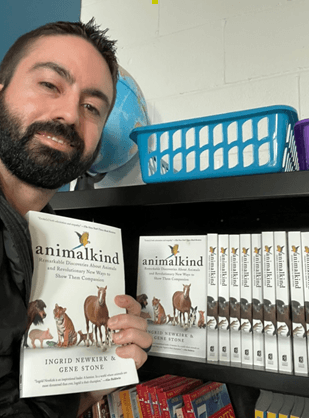
Mike Tori is a high school math and special education teacher and animal activist. Mike is passionate about making learning accessible, engaging, and enjoyable for every student. One way he does this is by incorporating animal-focused topics into his instruction, using students’ natural curiosity and interest in animals as a springboard for meaningful learning. By connecting math concepts to real-world questions involving animals, including exploring spaying and neutering while studying exponents, examining animals in film while learning about cost equations and cost modeling, and investigating animal biology while studying geometry, Mike creates opportunities for students to explore, investigate, and apply their skills in engaging and memorable ways.
Mike’s commitment to animal-focused education extends beyond his own classroom. He shares animal-focused lessons and resources with fellow educators because he understands the powerful role these topics can play in increasing student motivation and engagement. By helping other teachers incorporate students’ natural interest in animals into their instruction, Michael encourages more meaningful, relevant, and engaging learning experiences for students.
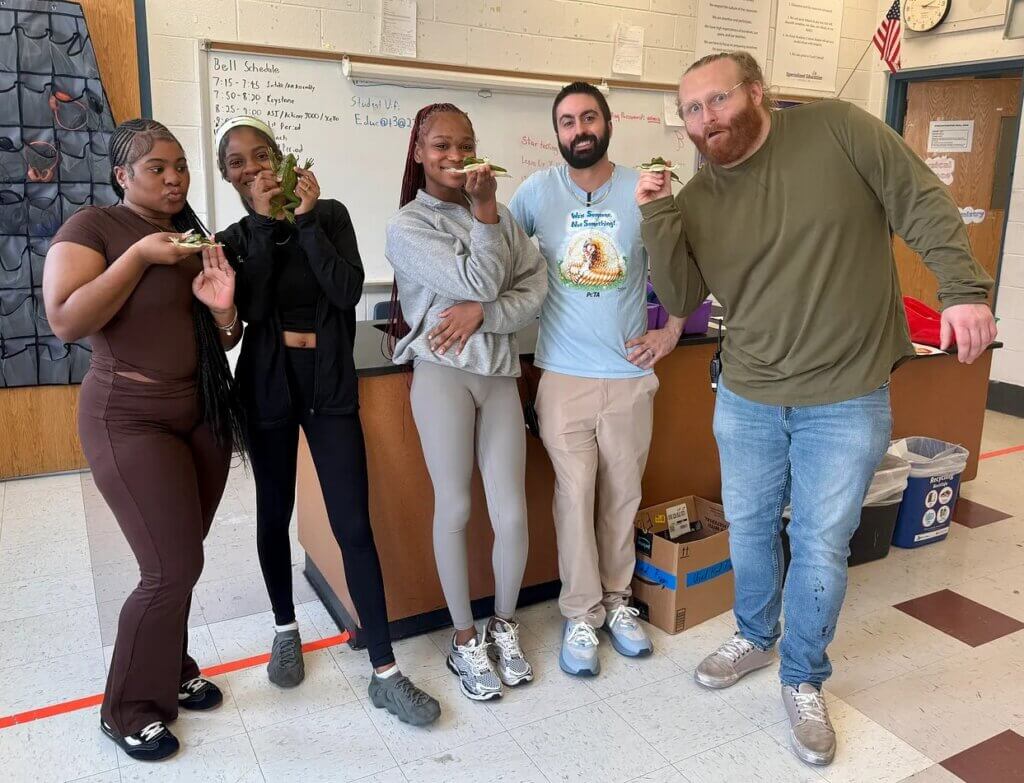
🏆 Excel Academy South 2026 Teacher of the Year
Mike was awarded Teacher of the Year in 2026 in recognition of his dedication as a math and special education teacher at Philadelphia’s Excel Academy South High School. Great congratulations, Mike!
“I am humbled and honored to be recognized in these ways. But I would not be in this position without my students and the help of those around me.”
-Mike Tori, 2026 Excel Academy South Teacher of the Year
Let’s learn more about Mike and the positive changes he’s making inside and outside of the classroom.
How does compassion for animals fit into a math curriculum?
I believe compassion for animals can fit into any curriculum when planned accordingly. Math is a fantastic subject for animal compassion since it is involved in so many facets of life. Math allows us to model the exponential growth of a feral cat population when they are not spayed and neutered. Math explains why African Elephants, being large in volume and warm-blooded, should overheat in the sun of the savanna, but don’t because their large ears work as a cooling system. By having a solid foundation and understanding of various math concepts, it can become easy to fit animal compassion into the curriculum.

How has studying animal issues benefitted your students?
Studying animal issues has benefitted my students because they are naturally curious about animals! They want to know why I am vegan and what it means to be vegan. They ask questions about how animals are treated when I challenge their assumptions. They are amazed to learn that fish have friends and can purr. Their minds are blown when I tell them insects are animals and all the ants in the world outweigh all the humans. I believe bringing in real-world issues affecting animals into the classroom sparks their natural curiosity to learn more about the world around us. By fostering their curiosity rather than diminishing it, they learn about issues that they want to know more about.
What is one of your teaching philosophies?
One of my philosophies is to meet my students where they are. Working at a school that specializes in supporting students who are behind on their credits, many of them are deficient in academic foundations like order of operations and basic reading and writing skills. As a result, I ensure that my lessons are accessible for all learners, whether they are at the top of their class, or haven’t attended school for several years. This helps remove any barriers that may impede their learning.
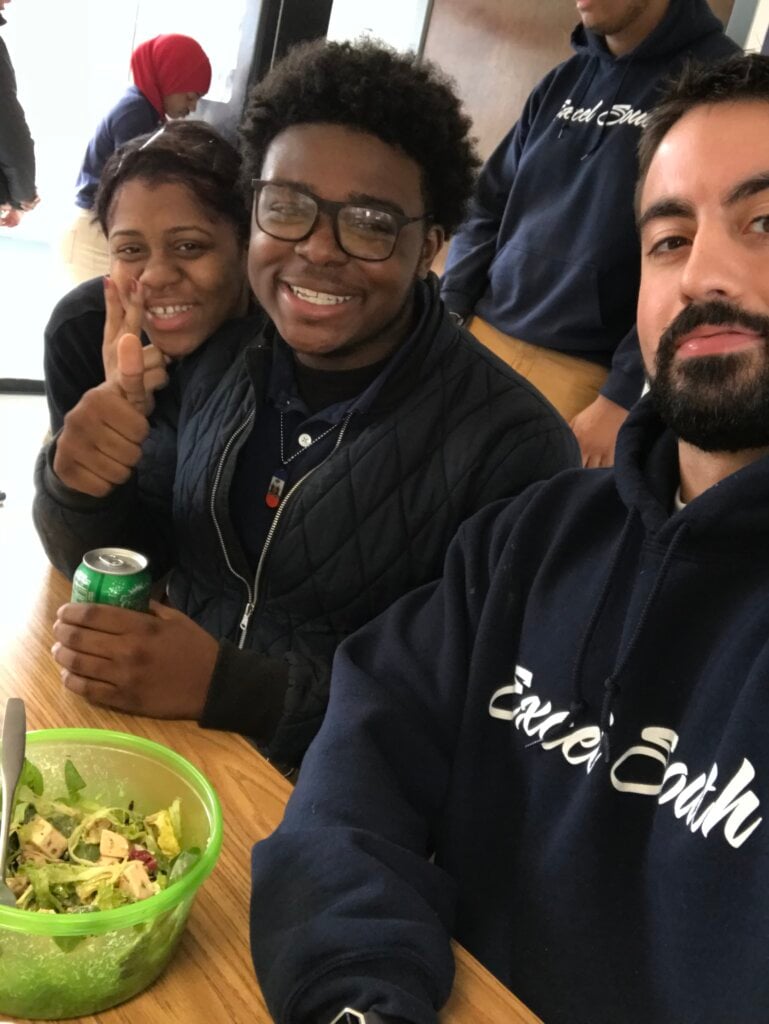
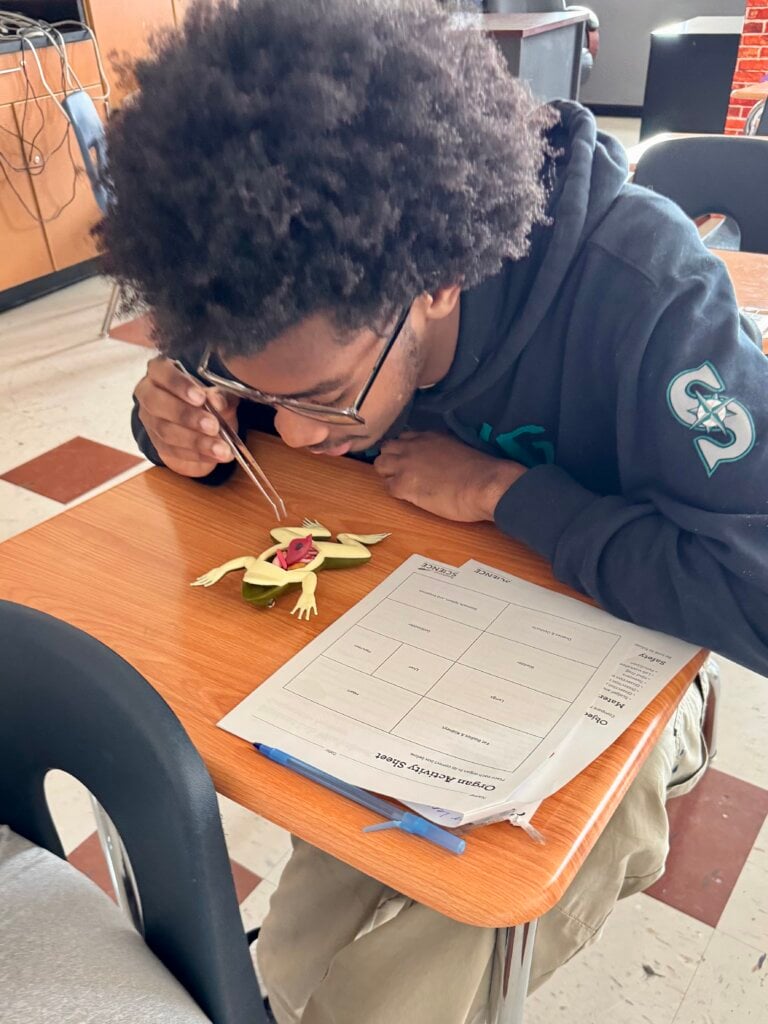
How did students respond to the Kind Frog lesson that you taught?
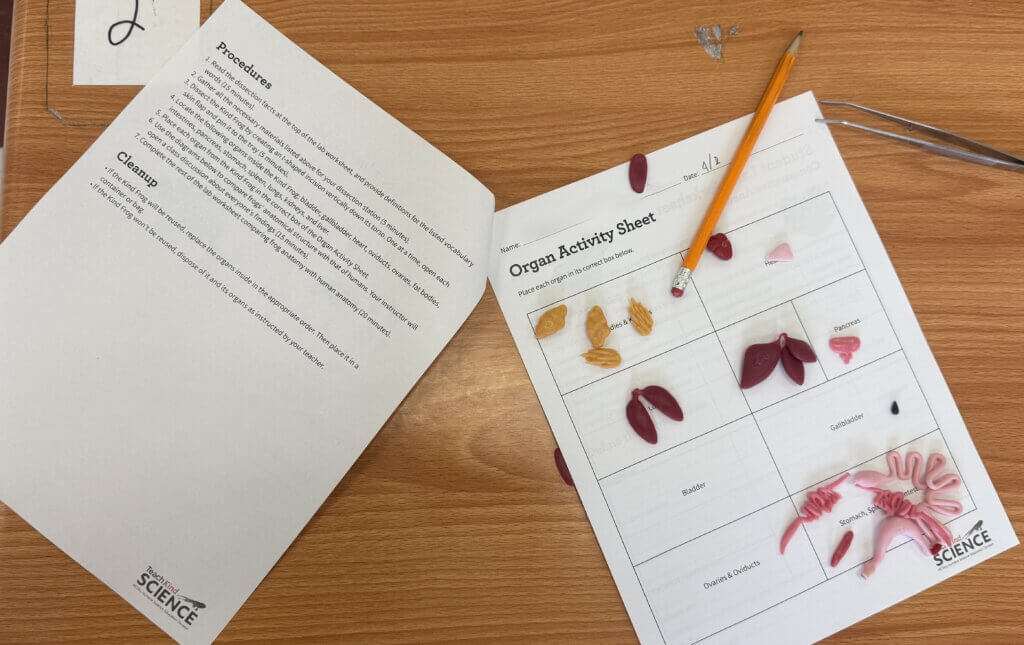
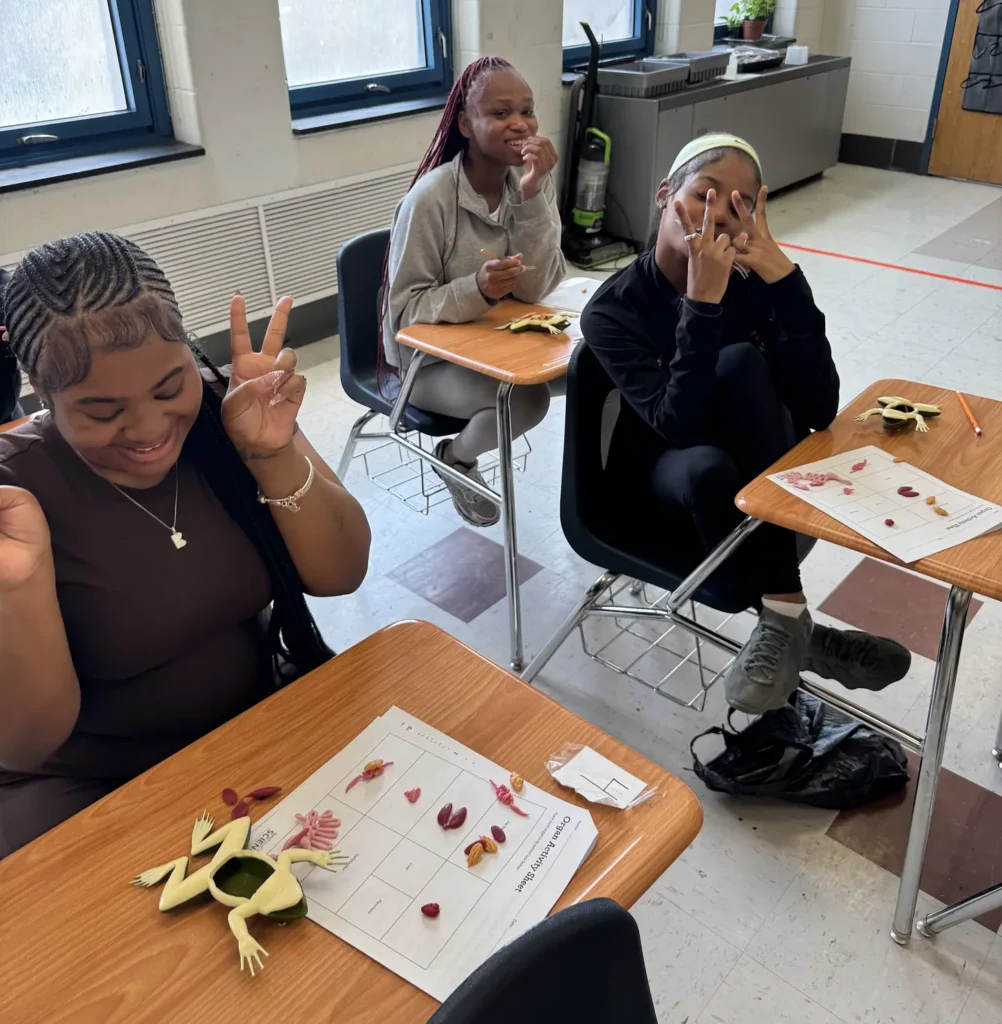
I will say, out of all the years I have been teaching, this was hands down my favorite lesson and it was because the students were so engaged. In the days leading up to the lesson, I would tell the students to make sure they were in school that day because they did not want to miss the lesson. Word quickly spread, and pretty soon students were asking to skip their other classes to join in the lesson! During the lesson, the students were visibly excited and engaged. They were saying things like, “This is so cool!”; “I am happy this is not a real frog. That would be gross”; and “This little guy is so cute! Can I keep him?”
They were smiling, paying attention, and truly desiring to learn. I know they were learning because they were pursuing their own curiosities and having fun, and that is when the most memorable learning happens. For weeks after the lesson, the students would walk the hallways not just talking about the fun they had during the lesson, but explaining why it is wrong to harm and dissect animals! They left that lesson understanding why we should not harm animals because they came to that conclusion themselves, not because they were told to think that. Seeing the students spread the message of animal compassion themselves made me feel beyond proud.
What has been the response of your school community (administrators, other teachers, parents, etc.) to your use of humane education?
I am very fortunate to have a supportive school community that not only allows me, but also encourages me to use humane education. They were fully supportive of the Kind Frog lesson and stopped in to see the students’ responses, and even allowed me to procure some small materials using our school’s budget.
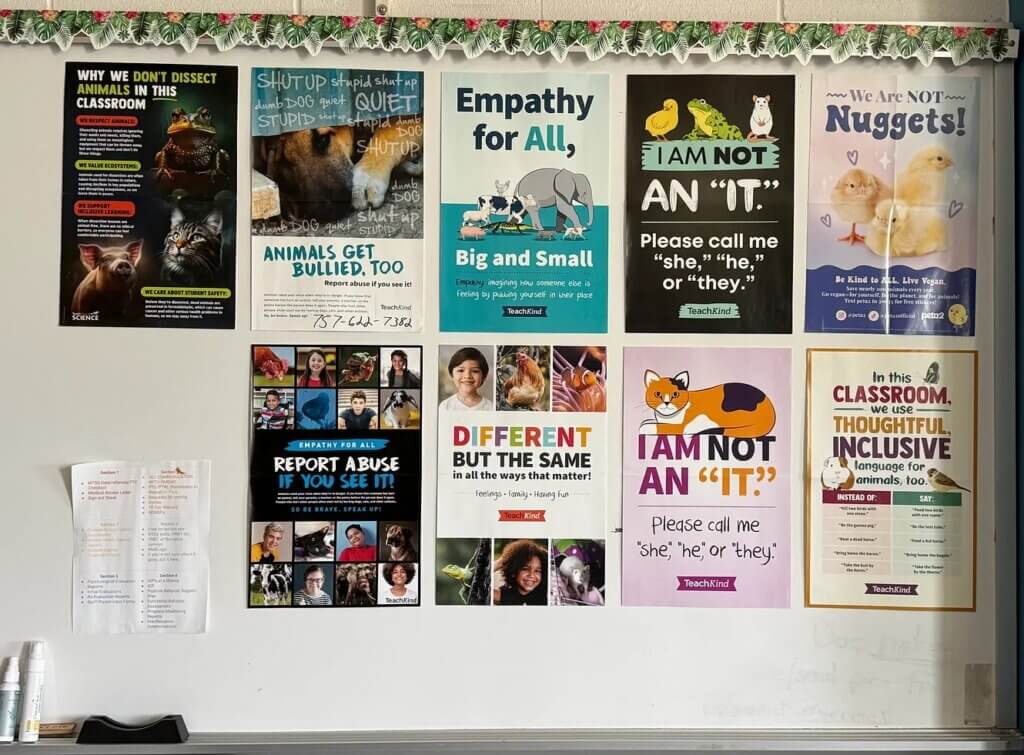
My colleagues and administrators have always supported me as the lone vegan at our school. For instance, whenever our director gets us food, he always makes a point to ask me what I would like, being mindful and respectful of my food choices. We even ran a monthly campaign where students and staff could dress down for a dollar, and all the proceeds went to PETA! Outside of those immediately in our school, I have many meetings with parents as a special education teacher. My room is decorated with PETA and TeachKind posters promoting humane education and animal compassion. I am always pleasantly surprised by how many parents and family members take a moment to absorb the information and acknowledge their agreement with the messaging. It always reminds me that many people are much closer to supporting humane education than not.
What challenges, if any, do you face as a humane educator, and how do you overcome them? How do you educate students about animal issues without “preaching”?
The main challenge I face as a humane educator is people entrenched in their beliefs regarding speciesism; dogs are pets, rats are gross, pigs are food. I overcome these challenges the same way I educate my students about animal issues. I ask them questions. Would you eat a dog? Did you know rats will make a conscious choice to forgo food in order to save another rat? Have you seen a pig get the zoomies and play?
As educators, it is important to use these opportunities as moments to practice teaching humane education and expand our students’ knowledge on the topic. For instance, I will show them this information, pulling up a video on YouTube of a pig playing similarly to how our dogs may play. Additionally, I show them that humane alternatives exist. Whenever my students ask what I eat, I always tell them, “Well, before I went vegan, I would eat burgers, pizza, and ice cream. Now that I am vegan, I eat burgers, pizza, and ice cream.” The only difference is, I make the decision several times a day to choose options that do not exploit or harm animals. I show them how easy it is to make decisions that align with their values. We can eat delicious foods, wear stylish clothing, and live our lives without sacrificing what we want, all while helping animals.


Do you experience “compassion fatigue”? If so, how do you remedy it?
I experience “compassion fatigue” because sometimes life gets hard and can feel overwhelming. Maybe it is a feeling of “I am not doing enough,” or I read some upsetting news about animal exploitation. At that moment, I acknowledge how I am feeling and then ask, “What can I do?” Sometimes that may be a small donation to an organization or sanctuary that helps animals. Other times, it may be taking a break to walk in nature and slow down.
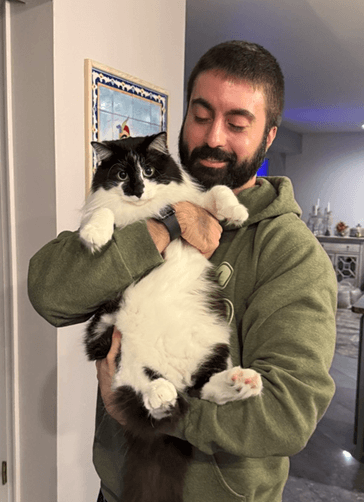
Sometimes, I will watch the comings and goings of the birds at my bird feeder and just appreciate their awesomeness. I will watch and observe their beautifully unique plumage and ground myself in the wonder that they can defy gravity and fly. I will think to myself how resilient these little dinosaurs are to have survived every challenge that has been thrown at them. Life is so much more resilient than we realize, and that tends to bring me comfort. I also find solace in petting and playing with my cats, especially our youngest, Peanut. She is simultaneously the smartest, silliest, and most beautiful cat. She brings me so much joy just by being herself. Spending time with her allows me to ground myself and make my world a little smaller. She helps me understand that when things feel hopeless, I can ensure that this particular animal is loved, safe, and given the best life possible.
What advice would you give to someone who wants to start engaging in humane education but isn’t sure where to begin?
The advice I would give to someone who wants to start engaging in humane education but isn’t sure where to begin is to work with something you know or feel comfortable with. This could be a lesson plan you have done a few times, or a subject area you are knowledgeable in. Start with something you know and use that foundation to tie in humane education. Choose something in humane education that you are passionate about. That could be adopting companion animals from shelters, eating ethically, or the history of animal exploitation. TeachKind provides comprehensive activities and lessons for a diverse range of grades and subjects that are a great starting point if someone is feeling unsure where to begin. And the best part is they are free! I believe most people will find that humane education is easier to incorporate into the classroom than they may think.
* * * * *
Inspired to start teaching compassion for animals in your classroom? TeachKind will walk you through every step of the process and provide free resources along the way.