
Literacy Engagement: A Toolkit for 3-5 Elementary Teachers
Students have a natural affinity for animals. Harness that connection to inspire meaningful reading and writing experiences while building literacy skills and nurturing compassion for all living beings. Feed two birds with one scone!
🌎 Support for Multilingual Learners (ELLs/MLLs)
Students’ natural interest in animals can be a powerful bridge to literacy development. Animal-themed reading, writing, speaking, and listening activities can help multilingual learners connect everyday language with academic language. Because compassion for animals resonates across cultures and languages, it can increase engagement, motivation, and meaningful communication.
Try these strategies with any resource in this toolkit:
- Activate prior knowledge by inviting students to share experiences with animals.
- Use photos, videos, graphic organizers, and realia to support comprehension.
- Provide opportunities for partner talk and small-group discussions.
- Encourage speaking, drawing, and writing to share ideas about animals.
- Allow students to express ideas in their home language as they build English proficiency.
Grades 3-5
Deepening Literacy, Strengthening Compassion: Grades 3–5 Toolkit
As students move into the upper elementary grades, they are ready to think more deeply, ask bigger questions, and engage with increasingly complex texts. This toolkit uses students’ natural interest in animals to strengthen Reading Comprehension, Fluency, Vocabulary, and Writing skills through meaningful, real-world learning experiences. From animal rescue stories and novels to discussion activities, writing prompts, and seasonal lessons, these resources help students build literacy skills while fostering empathy, critical thinking, and respect for all living beings. A bonus Seasonal & Holiday Activities section helps teachers connect literacy learning to events and celebrations throughout the year.
💡 Teacher Tip: Students are often most engaged when learning connects to topics they care about. Encourage them to make text-to-self, text-to-text, and text-to-world connections as they explore these resources, deepening comprehension and sparking meaningful discussions. 📚🐾✨
Reading Comprehension
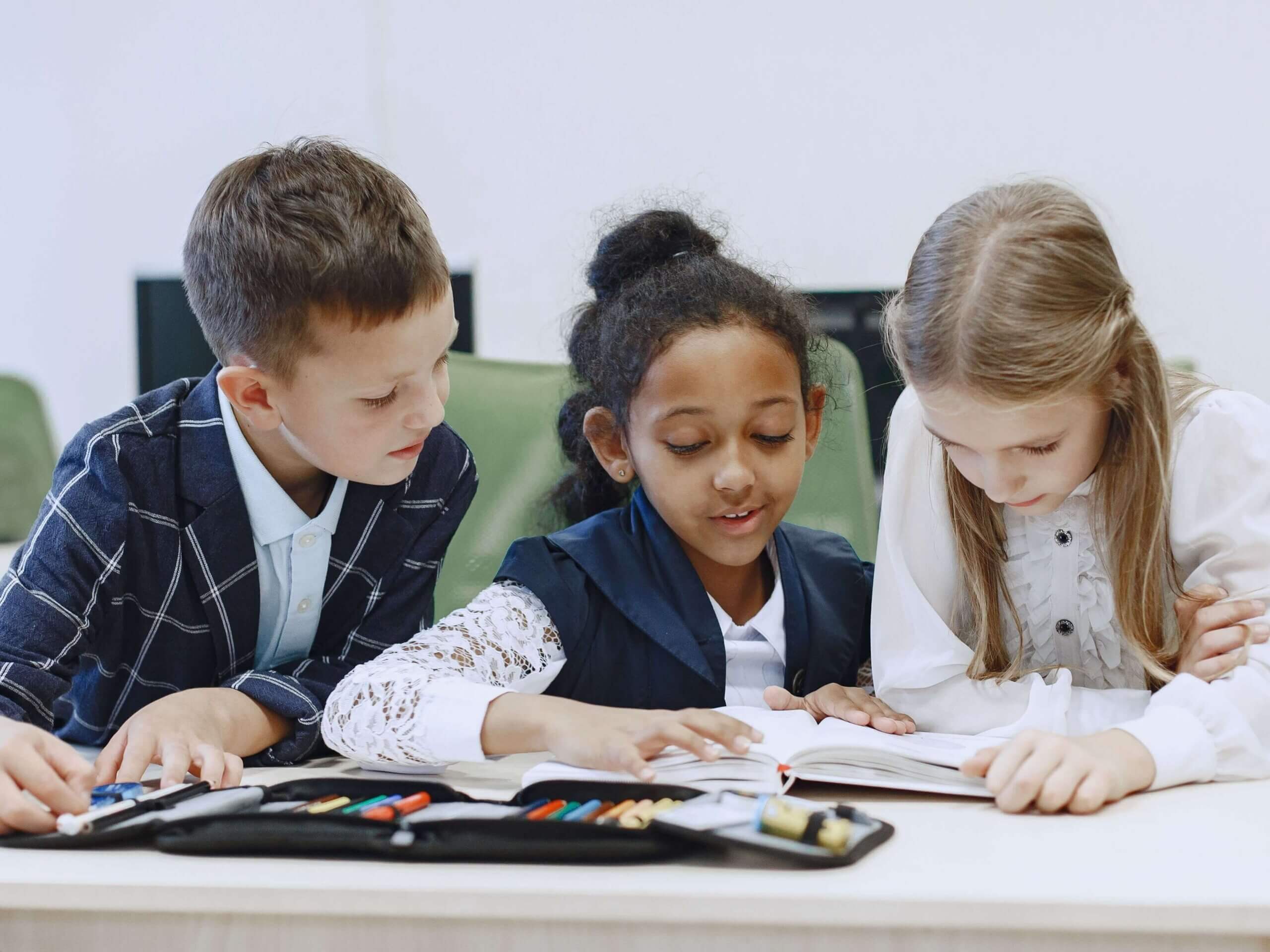
By grades 3–5, students are ready to dive deeper into texts, ideas, and discussions—and animals provide a powerful entry point. This section features high-interest rescue stories, informational texts, comic books, videos, and novels that strengthen key reading comprehension skills, including determining main idea, inferencing, summarizing, analyzing text structure, identifying theme, and tracking character growth. These activities help students recognize other animals as individuals with unique needs and interests, deserving respect and kindness. Repeated exposure to animal-centered topics helps reinforce important vocabulary and concepts while building background knowledge and engagement. Best of all, these meaningful, real-world stories often draw in even reluctant readers, inspiring thoughtful conversations and a genuine desire to keep reading. 📚🐷🐕🐋✨
💡 Teacher Tip: As students read across multiple animal stories and texts, encourage them to look for recurring themes, vocabulary, and lessons. Making connections across texts deepens comprehension, strengthens knowledge building, and helps students transfer reading skills to new content.
Animal Rescue Stories
- Rescue Story Research Study
- Saving Samson the Beagle
➡️ (Video and Kahoot) - Esther the Wonder Pig
➡️ (Kahoot) - Dillan’s New Life
➡️ (Video and Kahoot) - Jake the Turkey’s Recovery
➡️ (Kahoot) - Christmas the Puppy’s First Holiday
➡️ (Video) - Rescued Rats Find New Home
- Freddie on the Run
- Woody: A Survivor’s Story
🎁📚 Comic Books
- A Dog’s Life
- A Chicken’s Life
- A Cow’s Life
- A Rat’s Life
- A Fish’s Life
- Determine the Main Idea Game (using visuals from the stories)
Betta Fish
Fireworks
Tilikum: Tale of an Imprisoned Orca
🎁📚 Unlocking the Animal World (non-fiction)
Unlocking the Animal World (non-fiction)
🎁📚 Liberation Summer (fiction)
Inspirational Reading Comprehension Passages: Kids Who Are Heroes to Animals
Student text and comprehension questions
Fluency
Fluent readers read with accuracy, expression, and confidence—and repeated practice is key. This section includes affirmations, poetry, and readers’ theater activities that give students meaningful opportunities to reread engaging texts while building automaticity, prosody, and reading stamina. Because the content centers on animals and compassion, students are often eager to revisit the texts multiple times, strengthening fluency while deepening their understanding of important messages and themes. 📚🎭🐾✨
💡 Teacher Tip: Encourage students to perform poems or readers’ theater scripts for classmates, another grade level, or family members. Having a real audience provides a meaningful purpose for repeated reading and helps students develop confidence, expression, and oral reading fluency.
Repeated Readings
Reader’s Theater
Poetry
Vocabulary Development
Strong vocabulary helps students become more confident readers, writers, and communicators. Build word knowledge while encouraging students to think critically about the language they use. Through animal-friendly vocabulary lessons, idiom explorations, and themed word searches, students expand their understanding of words and discover how language can reflect kindness, empathy, and respect for all living beings.
💡 Teacher Tip: Encourage students to notice and discuss the words they encounter in everyday conversations, books, and media. Small changes in language can spark meaningful conversations while strengthening vocabulary skills.
Writing
Writing gives students opportunities to think deeply, communicate their ideas, and make meaningful connections to the world around them. Through narrative, reflective, persuasive, and informative/explanatory writing, these activities encourage students to share experiences, support their opinions with evidence, explain their thinking, and explore themes of empathy, fairness, and respect for other animals.
💡 Teacher Tip: Encourage students to support their ideas with details and examples from their own experiences, observations, and learning. When students write about topics they care about, they are often more engaged and motivated to express themselves clearly and thoughtfully.
Seasonal & Holidays
Seasonal celebrations and special events provide meaningful opportunities to engage students in reading, writing, discussion, and community building throughout the year. These activities connect familiar holidays and classroom traditions with opportunities to strengthen literacy skills, build empathy, and encourage students to think critically about animals’ lives and experiences.
💡 Teacher Tip: Use seasonal topics as conversation starters and writing inspiration. Connecting literacy activities to events students are already excited about can increase participation, spark curiosity, and make learning more memorable.
Back to School
All Holidays
Thanksgiving
Winter
The Iditarod
Stay inspired with free classroom resources that bring literacy and SEL to life. Sign up for TeachKind emails!
By submitting this form, you’re acknowledging that you have read and agree to our privacy policy and agree to receive emails from us.